Backyard removal guide
How Much Does Backyard Cleanup and Removal Cost in Utah?
Backyard cleanup and removal pricing in Utah can vary based on labor, debris type, access, demolition needs, and disposal volume. Here is what homeowners should know before requesting an estimate.

Backyards have a way of getting away from people.
One season, there are a few branches stacked by the fence. Then there is an old playset nobody uses anymore. Then a broken chair, a pile of dirt from a project that never got finished, some leftover lumber, weeds along the side yard, maybe a pile of rocks, and suddenly the whole yard feels like a project you do not want to deal with.
If that sounds familiar, you are definitely not alone.
A lot of homeowners eventually reach the point where they want the yard cleared out, but they are not sure what it will cost. Backyard cleanup and removal pricing can vary quite a bit because every yard is different. Some jobs are simple haul-away projects. Others involve heavy debris, demolition, brush removal, dirt, concrete, or tight access.
In Utah, many backyard cleanup and removal jobs can range from a few hundred dollars to a few thousand dollars depending on the size of the project. A small pile of yard waste will cost much less than removing an old shed, hauling concrete, or clearing out an entire overgrown backyard.
Here is what affects the cost and what homeowners should know before getting an estimate.
Average Backyard Cleanup Cost in Utah
For a basic backyard cleanup, homeowners may pay somewhere around $250 to $800 for smaller jobs. This could include hauling away branches, old outdoor furniture, small junk piles, loose debris, or general yard waste.
Medium-sized projects often fall in the $800 to $2,000 range. These jobs may include heavier debris, more labor, multiple trailer loads, brush cleanup, old fencing, playset removal, or larger piles of mixed materials.
Bigger backyard removal projects can cost $2,000 to $5,000 or more, especially if they involve demolition, concrete, dirt, rocks, hot tubs, sheds, or a full yard cleanout.
These are general ranges, not exact prices. The real cost depends on what needs to be removed, how heavy it is, how long it takes, and how difficult it is to access.
A good estimate should be based on the actual yard, not just a quick guess over the phone.
What Affects the Price?
The biggest factor is usually labor.
Backyard removal is not always as simple as picking something up and throwing it in a trailer. A crew may need to cut materials apart, carry heavy items by hand, remove posts from the ground, shovel debris, load awkward items, or make several trips through a narrow gate.
The type of material matters too.
A pile of branches is very different from a pile of broken concrete. Old patio furniture is very different from a hot tub. A lightweight wood playset is very different from a shed with roofing, siding, flooring, and old junk inside.
Dump fees also affect the price. Some materials cost more to dispose of than others. Mixed loads can also take more time because certain items may need to be separated.
Access is another major factor. A backyard with a wide gate and driveway access is much easier to clean out than a yard where everything has to be carried by hand around the side of the house.
Size of the Cleanup
The size of the job is usually the first thing people think about, and it definitely matters.
A small cleanup may be just one pile of debris. Maybe you trimmed a few trees and need the branches hauled away. Maybe you cleaned out the side yard and have a small pile of junk ready to go.
A larger cleanup may involve several areas of the yard. There might be brush in one corner, an old trampoline in another, broken fence panels along the side, and leftover material behind the shed.
The more spread out the debris is, the longer it usually takes. Crews have to gather, sort, carry, and load everything before it can be hauled away.
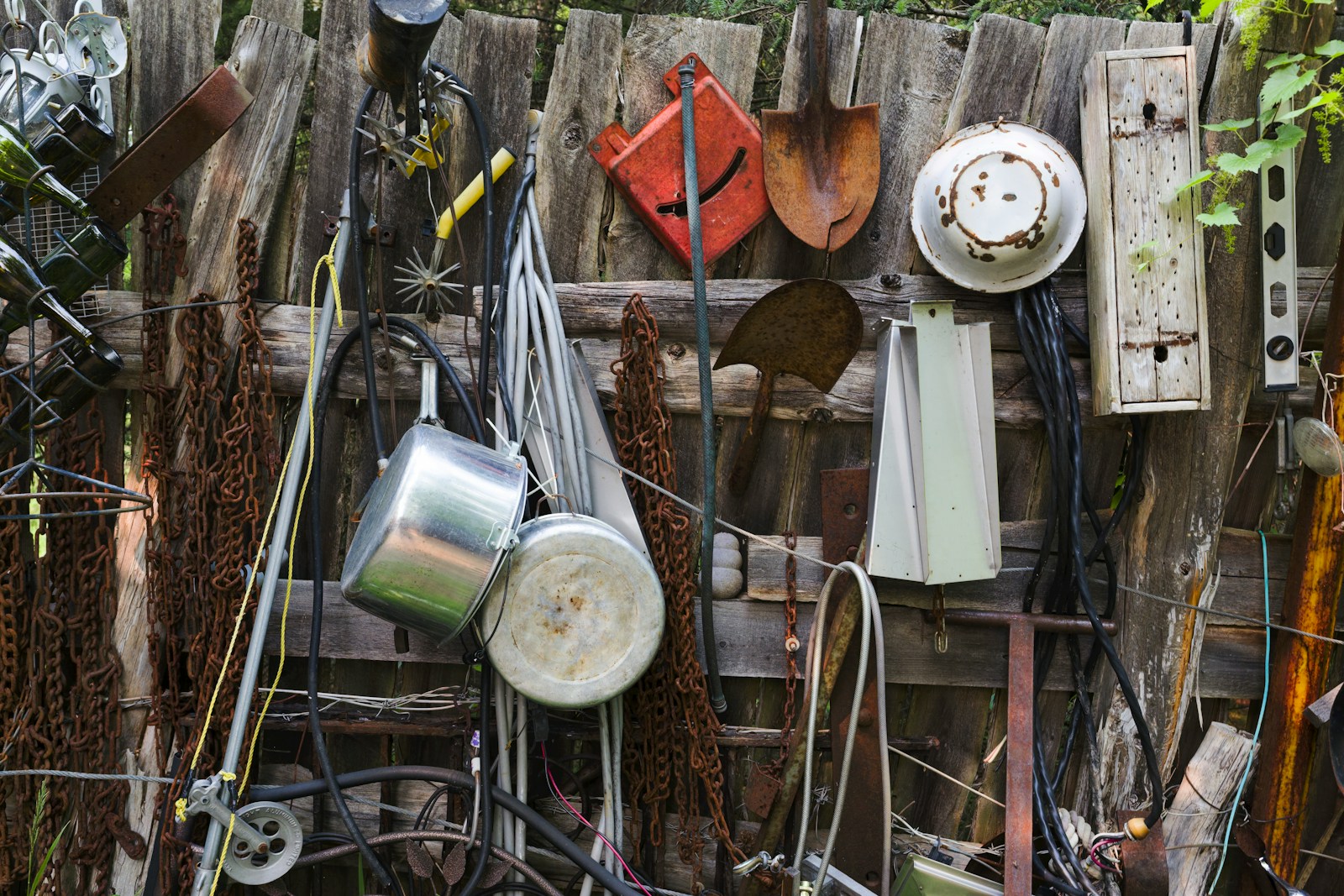
That is why pictures help, but an in-person estimate is often better for bigger jobs. Photos do not always show how deep a pile is, how heavy the material is, or how hard it will be to reach.
Type of Debris Being Removed
Not all backyard debris is the same.
Light yard waste, such as leaves, branches, weeds, and small brush, is usually easier to remove than heavy materials. It still takes time, but it is generally less complicated.
Heavy debris costs more because it takes more labor and may require more disposal fees. This can include dirt, gravel, rocks, concrete chunks, pavers, bricks, old lumber, fence posts, and demolition debris.
Large items can also affect the price. Hot tubs, playsets, trampolines, sheds, and old decks may need to be taken apart before they can be hauled away.
A simple haul-away job is usually cheaper than a job that requires demolition.
Yard Waste Removal
Yard waste removal is one of the most common backyard cleanup services.
This can include branches, bushes, weeds, leaves, grass clippings, old garden material, small logs, and general green waste.
The price depends on the volume and how much labor is needed. If everything is already piled neatly near the driveway, the job may be fairly quick. If the crew needs to cut down brush, pull weeds, drag branches across the yard, or clean multiple areas, it will cost more.
Utah yards can build up a surprising amount of green waste, especially after spring cleanup, fall cleanup, windstorms, or tree trimming.
Getting rid of it quickly can make the yard feel cleaner right away.
Brush and Overgrowth Cleanup
Overgrown areas are a little different from simple yard waste removal.
Brush cleanup may involve cutting back thick weeds, clearing volunteer trees, removing dead bushes, trimming back unwanted growth, or opening up areas that have been ignored for a long time.
This type of work is more labor-intensive because the debris has to be cut, gathered, and hauled away. It can also be harder to tell what is hiding underneath the overgrowth until the work begins.
In some yards, brush cleanup reveals old junk, broken sprinklers, rocks, damaged fencing, or uneven ground.
That does not mean the job cannot be done. It just means a contractor may need to look at the space before giving a firm price.
Old Shed Removal
Old shed removal usually costs more than basic yard cleanup because it often involves demolition.
A small plastic or lightweight metal shed may be fairly easy to take apart. A larger wood shed with a floor, roof, shingles, shelving, or electrical components can take much longer.
The cost depends on the size of the shed, the materials, the condition, and whether there is anything inside that needs to be removed first.
If the shed is falling apart, removal can actually be more delicate. A weak structure may not come apart cleanly, and the crew needs to handle it safely.
Shed removal can make a huge difference in a backyard. It opens up space, removes an eyesore, and makes room for a new shed, garden, patio, concrete pad, or open lawn area.
Playset and Trampoline Removal
Old playsets and trampolines are another common backyard removal project.
A playset may look simple, but it can have a lot of parts: posts, bolts, slides, swings, anchors, platforms, roofs, and sometimes concrete footings.
Trampolines can also be awkward to take apart because of the springs, frame, netting, and rusted hardware.
These items usually need to be disassembled before hauling. The more rusted, broken, or tangled they are, the more time the job can take.
For many homeowners, hiring someone is worth it just to avoid the hassle and safety concerns.
Dirt, Rock, and Gravel Removal
Dirt, rocks, and gravel are some of the most underestimated removal jobs.
They may not look like much, but they are heavy. Very heavy.
A small pile of dirt can weigh much more than a large pile of branches. Rocks, gravel, and broken concrete can fill up weight limits quickly, even if they do not take up much space.
This is why dirt and rock removal often costs more than people expect. It takes shoveling, hauling, loading, disposal, and sometimes multiple trips.
If the material is in the backyard, access matters a lot. Carrying heavy buckets or wheelbarrows through a side gate takes time.
Concrete and Paver Removal
Old concrete chunks, broken pavers, bricks, and leftover construction materials can usually be removed, but they are considered heavy debris.
If the concrete is already broken up and piled, the job may be mostly loading and hauling. If the concrete needs to be broken apart first, that adds labor and equipment.
Concrete removal can be useful before installing a new patio, concrete pad, shed base, fence line, or landscaping project.
It is also one of those jobs that is usually harder than it looks. A few chunks of concrete may be manageable. A full pile can become a major project quickly.
Why Access Matters So Much
Backyard access can change the entire price of a job.
If a truck and trailer can get close to the debris, removal is easier. If everything has to be carried from the back corner of the yard, through a small gate, down a narrow side yard, and around vehicles, the job takes longer.
Stairs, slopes, retaining walls, mud, snow, tight gates, and landscaping can all add time.
This is not about making the job complicated. It is just the reality of moving heavy or bulky material safely.
When asking for an estimate, it helps to mention gate width, distance from the debris to the driveway, and whether the crew can access the yard easily.
Is Backyard Cleanup Worth Hiring Out?
For small jobs, some homeowners handle cleanup themselves. That can make sense if the debris is light, easy to load, and accepted by a local disposal site.
But bigger backyard removal projects can eat up an entire weekend fast.
You may need a trailer, dump access, tools, gloves, help lifting, and multiple trips. Heavy debris can also be rough on vehicles and unsafe to move without the right equipment.
Hiring a crew can be worth it when the job involves demolition, heavy material, overgrowth, awkward items, or more debris than you want to deal with yourself.
It is also nice to have the job finished quickly instead of letting the pile sit there for another month.
How to Get an Accurate Backyard Removal Estimate
The best estimates come from clear information.
Before reaching out, it helps to know what you want removed, where it is located, and whether there are any access issues.
Photos are helpful. Wide shots of the yard are just as useful as close-ups of the debris. A close-up may show the material, but a wide photo shows how much there is and how difficult it may be to reach.
For larger jobs, an on-site estimate is usually best. That allows the contractor to see the size of the cleanup, the weight of the material, the access, and any details that may affect price.
Get Backyard Cleanup and Removal in Utah
If your backyard has old junk, yard waste, broken furniture, brush, dirt, concrete, rocks, a shed, a playset, or anything else you are tired of looking at, getting it removed can completely change the feel of your property.
A clean backyard is easier to use, easier to maintain, and easier to improve.
This website helps Utah homeowners request backyard cleanup and removal estimates for projects of all sizes. Whether you need a small pile hauled away or a larger yard cleared out, you can share the details of the project and request contact about an estimate.
If your backyard has become the spot where old projects, broken items, and yard debris keep piling up, now is a good time to get it cleaned out and usable again.
Request a Backyard Cleanup Estimate
Share a few details about what needs to be removed and request contact about your project.